Colonial Singapore
1819 - 1942
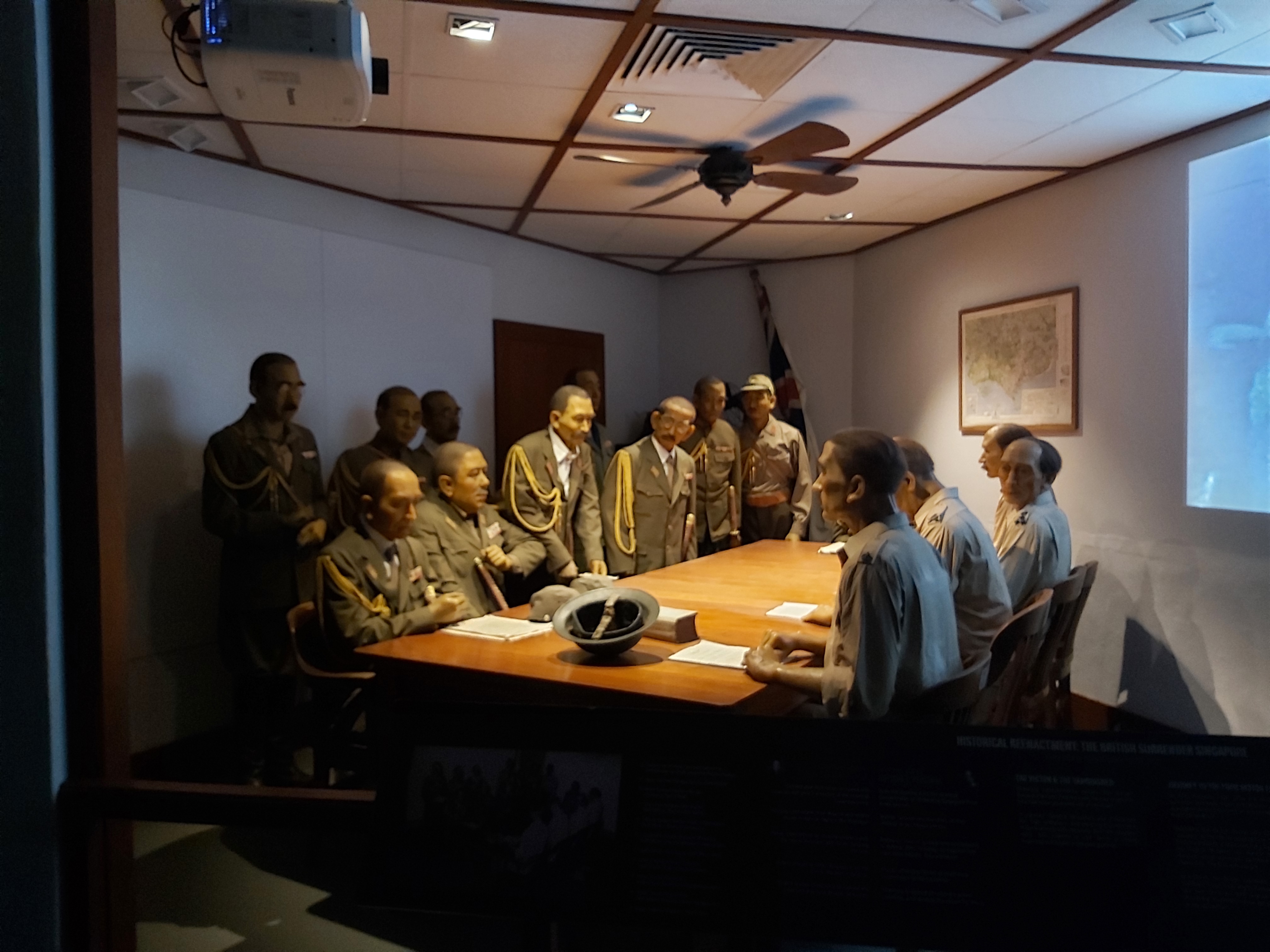
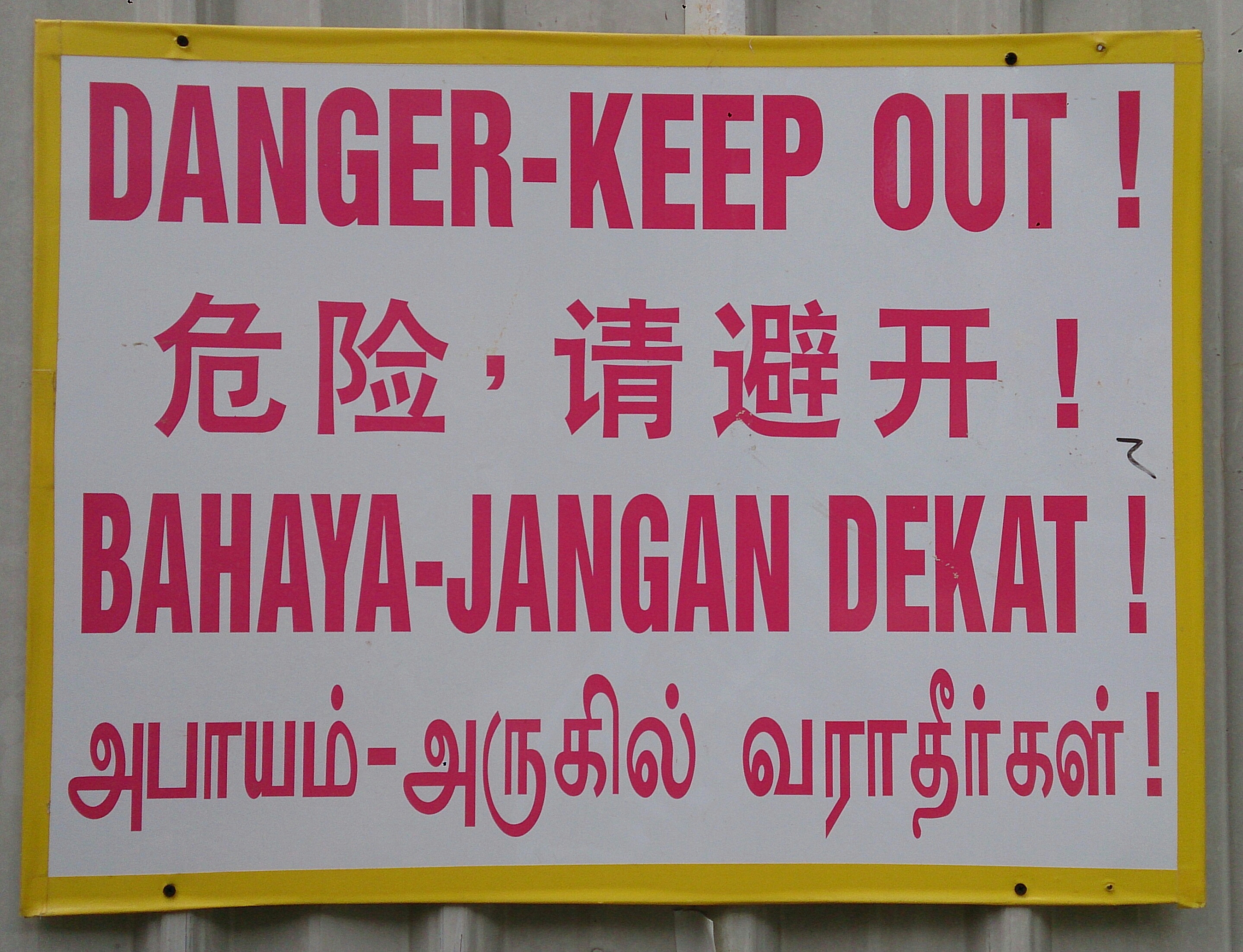
The British colonised Singapore, initially as the Straits Settlement from 1826 to 1867, and as a Crown Colony after 1867. English was introduced for commerce and governance. Migrants from India and China brought Indian languages such as Tamil and Punjabi, and Chinese dialects including Hokkien, Cantonese, and Hainanese. These immigrants mainly came from Southern India and China.
Self-governance & Merger
1955 - 1965
Even before the Japanese Occupation, Bazaar Malay had become the lingua franca in the region, and Hokkien became the lingua franca of the Chinese community. After self-governance, English, Chinese, Malay, and Tamil became Singapore's four official languages.
Post Independence
1965 - 1980
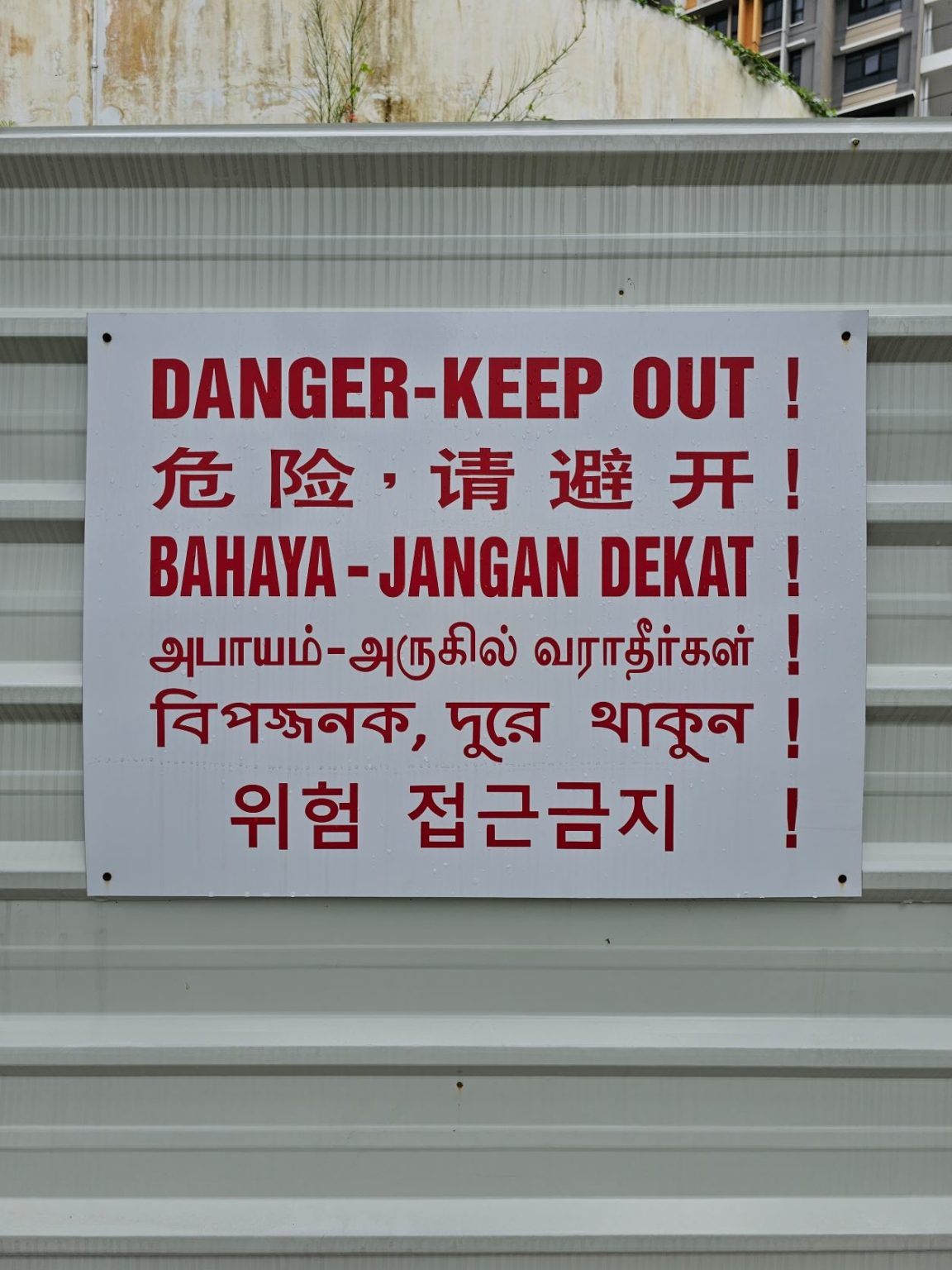
The four official languages remained. Malay became the national language of Singapore. Among the Malay community, Javanese, Buginese, and Boyanese were also mother tongues in many families. Among the Chinese community, although many schools taught Mandarin Chinese, Mandarin was not commonly used in family households. English, as a first or second language, was made compulsory in national exams to encourage bilingualism.
Status of Languages in Singapore
Language Most Frequently Spoken at Home For Resident Population Aged 5 and Above in 2020
Language Most Frequently Spoken at Home For Resident Population Aged 5 and Above in 2010
Source: CNA, Mediacorp
The pie charts above show that English has become more dominant at homes in just 10 years. The percentage of people speaking languages outside of the four official languages and Chinese dialects has also increased, showing our diversity.
Languages Spoken Most Frequently At Home (1957-2020)
Source: Department of Statistics, Singapore
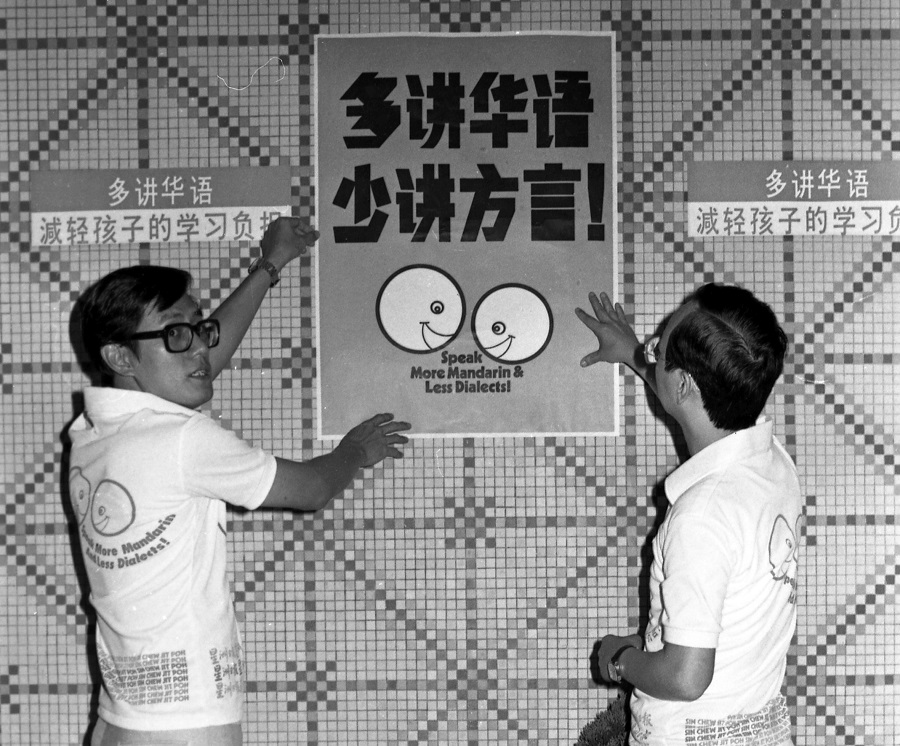
We can see the steep decline of Chinese dialects in 1980, largely due to the Speak Mandarin Campaign. Malay has remained relatively stable, although languages like Bugis, Javanese, and Boyanese have declined in favour of Malay. English use has grown sharply since the Speak Good English movement started in 2000. Tamil has also remained largely stable.